

- Carpet
- |
- Carpet Flooring
- |
- Carpet Store
5 Signs It’s Time to Replace Your Carpet
August 7, 2026

5 Signs It’s Time to Replace Your Carpet
If you live in Hawaii, your carpet lives a tougher life than it would on the mainland.
High humidity can linger in fibers and padding, salt air can accelerate wear, sandy debris gets tracked in from the beach, and indoor-outdoor living means more foot traffic, more spills, and more pet messes.
If you’re wondering about 5 Signs It’s Time to Replace Your Carpet, this guide breaks down the most common carpet replacement signs and how to decide between replace carpet vs deep cleaning, or even signs carpet needs stretching vs replacement.
How often replace carpet in Hawaii?
A common question is how often replace carpet. Many homeowners plan for roughly 7–15 years, but in Hawaii the realistic range depends on:
- humidity control (A/C, dehumidifiers, ventilation)
- how close you are to the ocean (salt air + sand)
- pets and kids
- indoor-outdoor traffic patterns (lanai-to-living-room routes)
If your carpet is “young” but looks older, it’s usually because of environment + traffic, not just age.
1) Stains that won’t come out (even after professional cleaning)
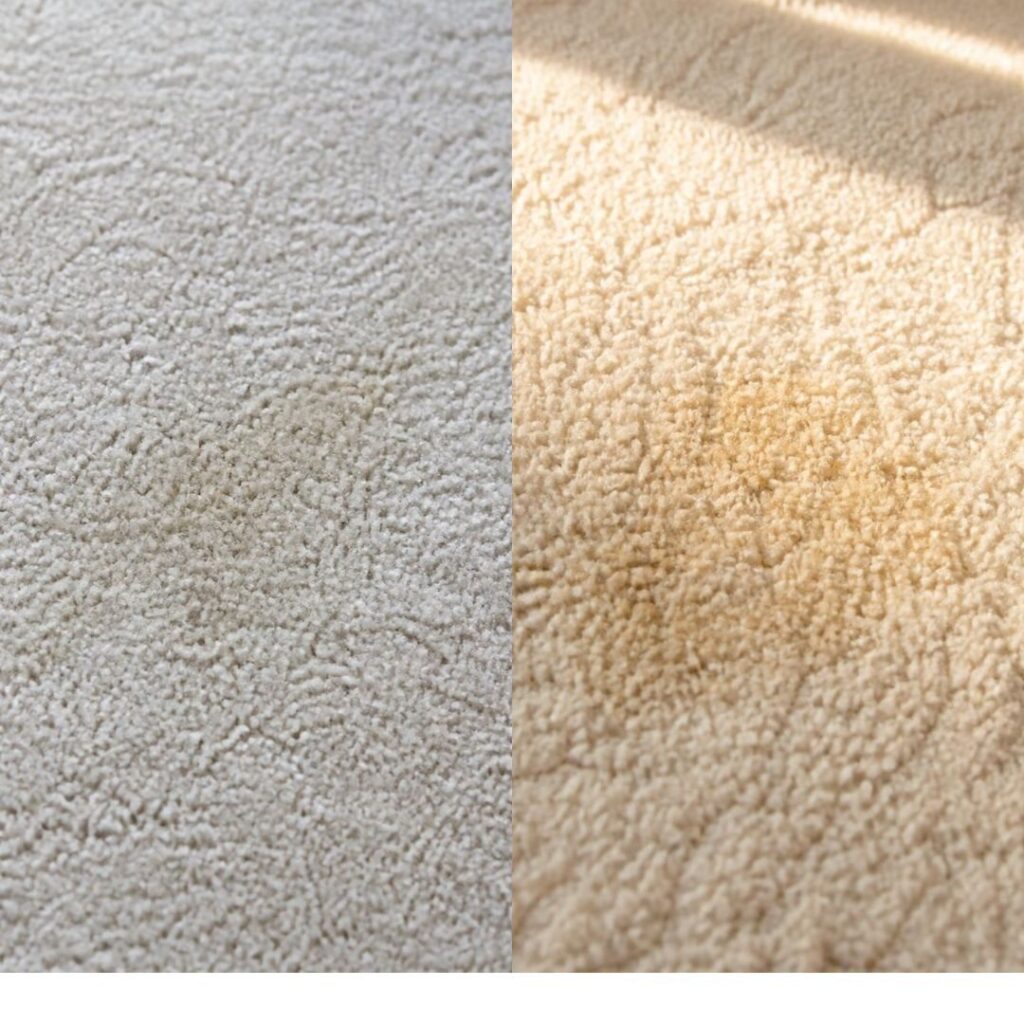
One of the clearest signs carpet needs replacing is when carpet stains won’t come out—especially if you’ve already tried hot-water extraction or a reputable pro service.
In Hawaii, this happens often from:
- sunscreen and body oils tracked in from the beach
- red dirt/mud from hikes
- shave ice, coffee, and fruit juice spills
- pet accidents that soak into the backing
Replace carpet vs deep cleaning:
- Deep cleaning makes sense if stains are surface-level and odor-free.
- Replacement is smarter when staining is widespread, reappears after cleaning (“wicking”), or includes pet urine that reached the pad.
Tip: If stains are localized, ask a pro about a plug repair or partial replacement. If multiple rooms show the same issue, full replacement is usually more cost-effective.
2) Persistent odor, especially after cleaning
If you notice carpet odor after cleaning, it often means moisture or contaminants are trapped below the fibers. In humid climates, carpets can take longer to dry, and that damp “closed-in” smell can come back quickly.
Common culprits:
- pet urine in the pad/subfloor
- mildew from slow drying after shampooing
- old spills that never fully extracted
This is also a key trigger for when to replace carpet padding. If odor persists after professional cleaning and drying, replacing just the carpet on top won’t solve it—padding typically has to go too.
Actionable check: After a cleaning, run A/C or a dehumidifier and fans for 24–48 hours. If the odor returns, it’s likely in the pad or subfloor, not just the carpet face.
3) Mold or moisture concerns (don’t ignore these symptoms)
Hawaii’s humidity plus occasional leaks creates real risk. Watch for mold under carpet symptoms such as:
- musty smell that worsens when the house is closed up
- sneezing/irritation that improves when you leave the room
- discoloration near baseboards or under furniture
- carpet that feels damp or cool for “no reason”
If you had a leak, storm intrusion, or an A/C drain overflow, consider water damaged carpet replacement. Water can compromise the backing, pad, and tack strip—and even if the surface looks fine, the layers underneath may not be.
Restretching vs replacement note: Restretching won’t solve mold or water damage. If contamination is suspected, prioritize inspection and replacement of affected materials.
4) Matting, fiber breakdown, and high-traffic “paths”
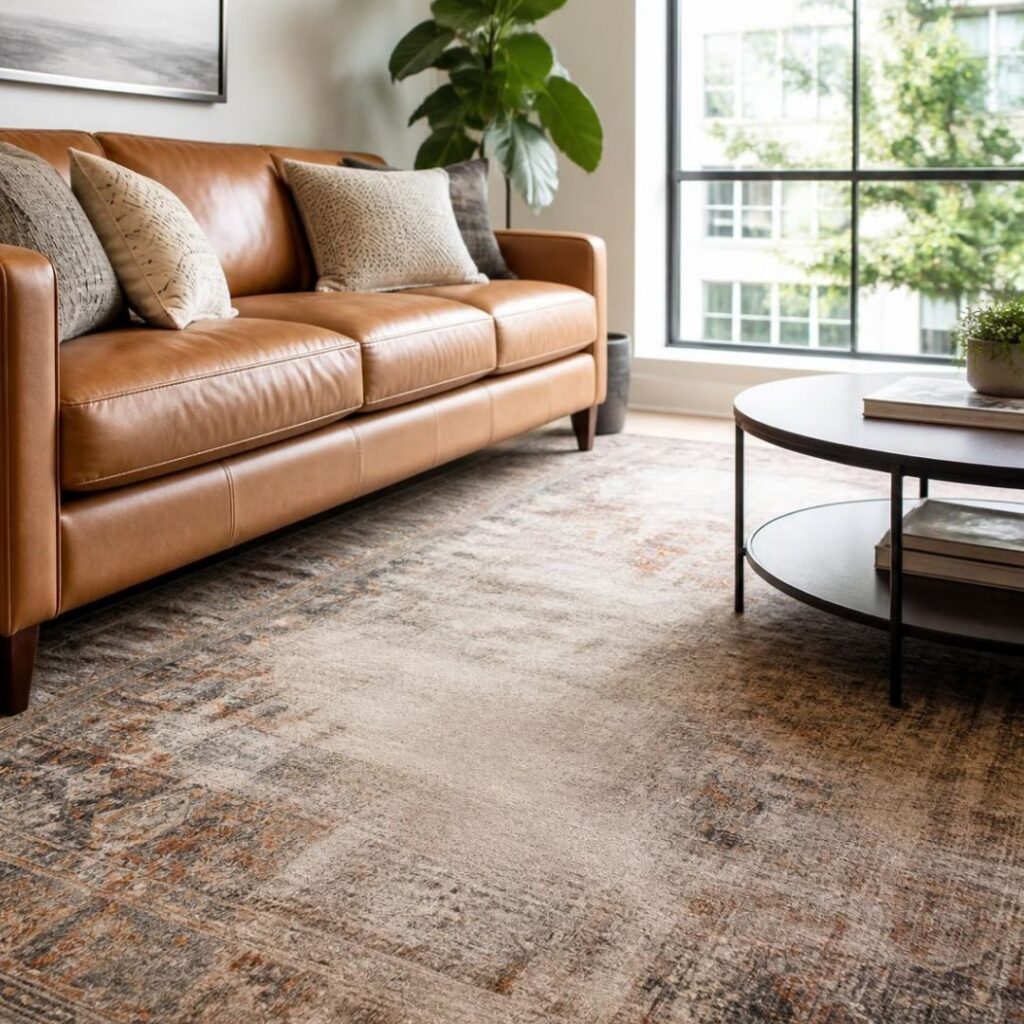
Not all flattening is equal. Carpet matting vs normal wear comes down to whether the carpet bounces back after vacuuming and grooming. In busy Hawaii households, indoor-outdoor living often creates visible routes from:
- entry to living room
- lanai sliders to kitchen
- garage to laundry area
When those lanes become permanent, you’re seeing carpet wear patterns high traffic—and it’s a strong sign the fibers have broken down. At that stage, cleaning helps appearance temporarily, but the crushed fibers can’t truly “recover.”
Quick test: Brush the pile against the grain. If the carpet looks thin, shows backing, or feels rough and lifeless across large areas, you’re past cosmetic fixes.
5) Wrinkles, ripples, and looseness: restretching or replacement?
Ripples can be frustrating and they’re the most common reason homeowners search signs carpet needs restretching vs replacement.
When restretching is usually enough
Restretching is often a great fix when:
- carpet is under ~8–10 years old and in decent condition
- wrinkles appeared after humidity swings, moving furniture, or a cleaning
- seams are intact and fibers aren’t heavily matted
- there’s no odor, water damage, or widespread staining
These are classic signs carpet needs stretching vs replacement where a pro can tighten the carpet back onto the tack strip and trim edges cleanly.
When replacement is the better choice
Choose replacement when wrinkles come with:
- fraying edges, splitting seams, or delamination (backing separating)
- heavy matting in traffic areas
- recurring odors or suspected moisture issues
- multiple repairs already attempted
- carpet that won’t stay tight after restretching
In other words, if looseness is just one of several carpet replacement signs, a new install is usually the long-term solution.
Carpet replacement timeline planning (and what to do before you buy)
Smart carpet replacement timeline planning in Hawaii means thinking about humidity and installation conditions. If possible:
- schedule during drier weeks (or ensure A/C/dehumidification)
- plan 1–2 weeks for shopping, ordering, and installer availability
- consider upgrades like moisture-resistant pad if you’re in a humid or ground-level space
How to measure room for carpet (fast and accurate)
Knowing how to measure room for carpet helps you budget and compare quotes:
- Measure length × width of each room (in feet)
- Include closets as separate rectangles
- Add notes for alcoves, hallways, and odd angles
- Bring a sketch to your estimator
Installers often confirm measurements, but your own numbers help avoid surprises.
Costs and alternatives: what to consider in Hawaii homes
Homeowners often ask about cost to replace carpet per room. Pricing varies based on carpet type, padding, removal/haul-away, stairs, and furniture moving. Instead of guessing, get 2–3 local estimates and ask for a line-item breakdown (carpet, pad, labor, disposal).
If you’re done with carpet entirely, think about the best flooring alternative to carpet for indoor-outdoor Hawaii living:
- luxury vinyl plank (durable, water-resistant, easy sand cleanup)
- tile (great for humidity, very beach-friendly)
- engineered hardwood (more stable than solid wood, but still needs care)
Benefits of new carpet installation (when you do choose carpet again)
The benefits of new carpet installation can be huge, especially if you pick the right materials for Hawaii:
- improved comfort and quieter rooms
- better-looking, brighter interiors
- modern stain resistance and easier maintenance
- the chance to upgrade padding for odor and moisture control
The Big Takeaway
For Hawaii homeowners, the decision usually comes down to this: if the issue is purely looseness, restretching can be a cost-effective fix. But if you’re dealing with carpet stains won’t come out, recurring carpet odor after cleaning, mold under carpet symptoms, water damaged carpet replacement scenarios, or severe carpet wear patterns high traffic, replacement (including when to replace carpet padding) is typically the safest, longest-lasting move.
Ready to start your next room makeover with new carpet? Contact us today.
You Might Also Like
-
- Carpet Store
- Nylon Carpet
September 15, 2025
Nylon Carpet Explained: Durability, Stain Resistance, and Best Uses
-

- Carpet
- Closet Flooring Ideas
- Flooring Store
- Luxury Vinyl
September 10, 2025
The Perfect Flooring for Bedrooms with Open Closets and Walk-In Wardrobes
-
- Carpet on Stairs
- Carpet Store
September 2, 2025
How Is Carpet Installed on Stairs?